What a Demonstration Site Looks Like
See how Demonstration Sites bring innovative practices to life.
To register for a Demonstration Site visit during the 2026–2027 school year, please use the link HERE
2026-2027 SIP Demonstration Sites
SIP Demonstration Sites represent diverse schools and districts across California that are advancing innovation, inclusion, and improved outcomes for all learners. Each site offers unique opportunities to observe systems change in action, explore effective practices, and learn from educators leading this important work.
Demonstration Sites Information:
CHIME Institute
|
|
|
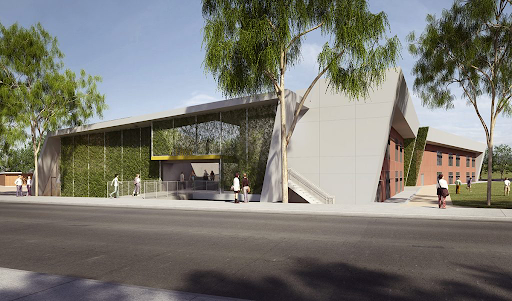
The CHIME Institute is a nonprofit organization serving as a national leader in the development of inclusive practices in education. The institute offers a preschool inclusion program as well as K-8 education at their independent charter school, the Schwarzenegger Community School in Los Angeles county. “Inclusive education at CHIME Institute means that children who reflect the demographics of the surrounding region—including children who develop typically, children with special needs and children who are gifted—learn side by side”
|

|
CHIME Institute’s Schwarzenegger Community School
19722 Collier St, Woodland Hills, CA 91364
Website:
|
 |
Davis Joint Unified School District
|
|
|
Davis Joint Unified is becoming a destination school district for families seeking safe, positive schools where a culture of excellence and equity provide the foundation for all students to succeed. Our diverse school offerings have a tradition of outstanding instruction, collaborative and innovative teaching and learning and unparalleled community support. We are looking forward to finding ways to provide your student with the best possible educational opportunities.
|

|
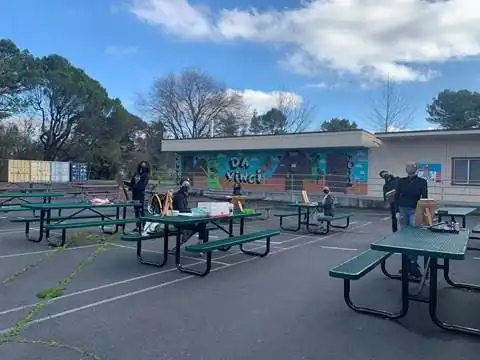
Da Vinci Charter Academy
1400 E. Eighth Street, Davis, CA, 95616
Website:
|
 |
Fresno Unified School District
|
|
|
Fresno Unified School District is located in Fresno County. The district’s mission, is to “nurture and cultivate the interests, intellect, and leadership of our students by providing an excellent, equitable education in a culturally proficient environment.”
|

|
Holland Elementary School
4676 N Fresno St
Fresno, CA 93726
Website:
|
 |

|
Webster Child Development
2600 E. Tyler
Fresno, CA 93701
Website:
|
 |

|
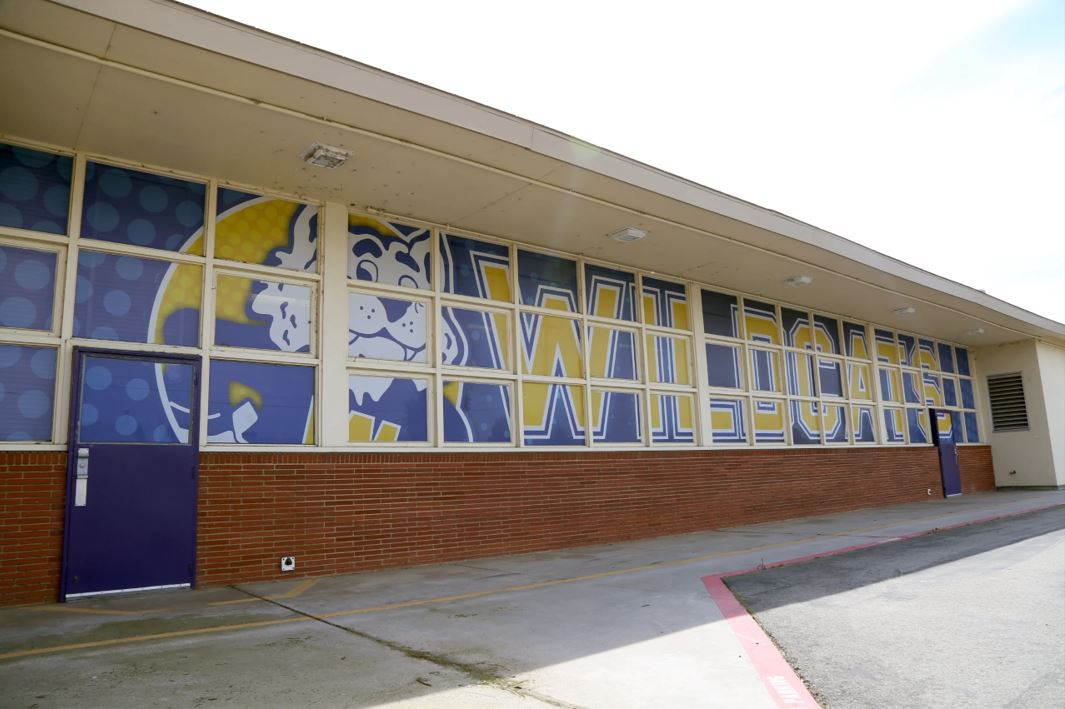
Wilson Elementary School
2131 W Ashlan Ave
Fresno, CA 93705
Website:
|
 |
Marysville Joint Unified School District
|
|
|
Marysville Joint Unified School District (MJUSD) is located in Yuba County. Their mantra is “educating today’s youth for tomorrow’s world,” and the district “values inclusive environments, all students’ differences in learning and best practices in instruction. We strive to serve students by maintaining high standards and providing support for equal access to programs”.
|
Moorpark Unified School District
|
|
|
Moorpark Unified School District (MUSD) is located within the city of Moorpark, which is a medium-sized bedroom community of approximately 35,975 people. The city is located in Ventura County in Southern California and is a diverse community with varying needs. MUSD has ten schools, including five TK-5 elementary schools, one TK-8 school, two comprehensive middle schools, one comprehensive high school, and one middle college high school located on the Moorpark College campus.
|

|
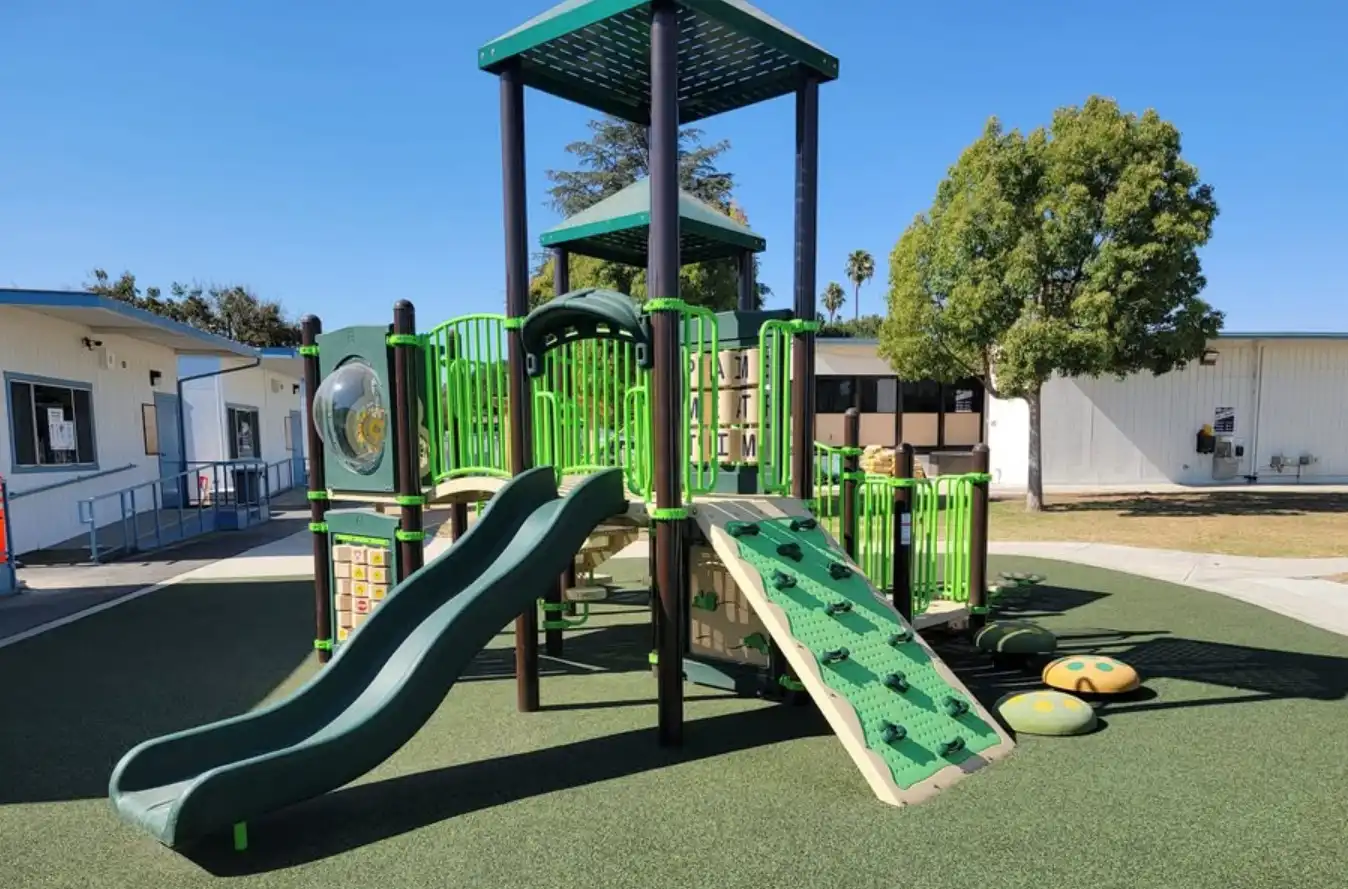
Moorpark Preschools Early Childhood Center
240 Flory Avenue, Moorpark, California 93021
Website:
|
 |
Poway Unified School District
|
|
|
Poway USD is located in northern San Diego County. The district is dedicated to empowering world-class learners who thrive in life and career, as well as in higher education, by offering education that is rigorous, rich, and personalized. To that end, Poway has engaged passionately in the development of special education programs guided by inclusive practices. Learn more about the school district on their website.
|
Romoland School District
|
|
|
Romoland School District is located in Riverside County, 22 miles south of the city of Riverside and just east of Interstate 215. The district serves over 4,500 students annually residing in Perris, Menifee, and Homeland in addition to Romoland, and one of the core district values is to provide students with the necessary knowledge and experience to become capable, responsible citizens in a diverse society. The district aims to “provide safe, engaging, and enriched learning environments that support the culturally diverse, social-emotional, and physical development needs of each and every student”
|

|
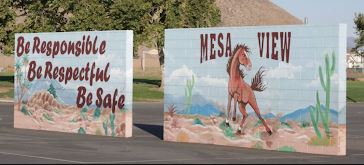
Mesa View Elementary School
27227 Heritage Lake Drive,
Menifee, CA 92585
Website:
|
 |
Wheatland Union High School District

|
|
Wheatland Union High School District is located in the city of Wheatland, California, one of two incorporated cities in Yuba County. The school district began serving students in 1907. Wheatland Union High School is the single comprehensive high school in the Wheatland Union High School District. In addition to Wheatland Union High School the District also consists of Edward P. Duplex Continuation High School and Wheatland Community Day High School. While the district is over 150 square miles, it serves more than 1100 students.
|

|
Wheatland Union High School
1010 Wheatland Rd,
Wheatland, CA 95692
Website:
|
|
WISH
|
|
|
WISH is a series of public, independent charter schools in Los Angeles County. “The WISH mission is to maximize every scholar’s learning potential within an atmosphere of caring and belonging.” WISH practices Universal Design for Learning (UDL) to reduce physical, cognitive, and organizational learning barriers, increasing accessibility for students. Social justice through inclusivity, social emotional learning, and schoolwide positive behavior support are some of the other practices you may bear witness to upon visiting a WISH demonstration site.
|
|
|
WISH Community School
TK-5
6550 West 80th St,
Los Angeles, CA 90045
Website:
|
 |
|
|
WISH Community
School, 6-8
7400 W Manchester Ave,
Los Angeles, CA 90045
Website:
|
 |
|
|
WISH Academy
High School, 9-12
7400 W Manchester Ave,
Los Angeles, CA 90045
Website:
|
 |
Questions About Demonstration Site Visits?
For questions regarding SIP Demonstration Site visits, please contact:
Madeline Wall
Fenix Research and Evaluation
What is a SIP Demonstration Site?
A SIP Demonstration Site is a school, district, or educational program recognized for implementing innovative systems that advance inclusion and improve outcomes for all learners. These sites showcase how innovation, inclusion, and continuous improvement come together to create meaningful opportunities for students and educators.
Demonstration Sites open their doors to educational partners across California to experience inclusion in action, explore practical resources, and learn directly from the leaders and educators driving meaningful change.
Why Visit a Demonstration Site?
One of the most frequent questions we hear is:
"Where can we see inclusion in action?"
Demonstration Site visits provide an opportunity to move beyond theory and experience how inclusive and innovative systems come to life in real educational settings. Visitors gain insights into the structures, strategies, and leadership practices that support student success while engaging in meaningful conversations with practitioners.
Through these visits, participants can:
-
Observe inclusion in action within authentic learning environments
-
Explore innovative systems that support positive outcomes for all students
-
Learn from a panel of educators who are actively leading change
-
Gather practical ideas, tools, and resources to apply within their own context
-
Strengthen efforts to improve access, participation, belonging, and student achievement.
Who Can Visit?
Demonstration Site visits are open to educators and educational partners across California who are interested in learning more about inclusion and innovative systems that improve outcomes for all students.
Participants may include teachers, instructional aides/para-educators, site administrators, district leaders, county office staff, SELPA representatives, higher education partners, and other professionals supporting systems improvement efforts.
Our Partners
SIP Demonstration Sites are made possible through collaboration with:
-
Thompson Policy Institute on Disability (Chapman University)
-
Fenix Research and Evaluation
-
SIP Demonstration Sites across California
What to Expect During a Visit:
Learning Walks and Classroom Observations
Experience inclusion in action and observe how innovative systems, structures, and instructional approaches support student success.
Resources and Tools
Explore artifacts, frameworks, and practical resources that support implementation and continuous improvement.
Collaborative Learning
Engage in conversations with site leaders, educators, and staff about their journey, successes, challenges, and lessons learned.
Reflection and Application
Identify actionable next steps and ideas that can be adapted within your own school, district, county office, or organization.
How to Join a Demonstration Site Visit:
Step 1: Build Your Team
We encourage participation from a variety of educational partners, including teachers, instructional aides, site administrators, district leaders, support staff, and other team members involved in systems improvement efforts.
Step 2: Register
Review the Demonstration Site calendar and select a visit that aligns with your team's goals and interests.
Please Note: Each participant must complete an individual registration.
Step 3: Share Your Learning Goals
Following registration, participants will receive a brief pre-visit survey to help the host site tailor the experience to participant interests and learning priorities.
Step 4: Attend and Learn
Come ready to observe, reflect, ask questions, and connect with educators who are advancing innovation and inclusion across California.
At the conclusion of the visit, participants will complete a brief post-visit survey to provide feedback on their experience, key learnings, and overall satisfaction. This feedback helps SIP and Demonstration Site hosts continuously improve future visits.
Step 5: Implement, Reflect, and Share
Approximately 90 days after your visit, participants will receive a follow-up survey to share how they have applied their learning. We invite visitors to reflect on implementation efforts, celebrate successes, and identify opportunities for continued growth as they advance innovation and inclusion within their schools, districts, and organizations.